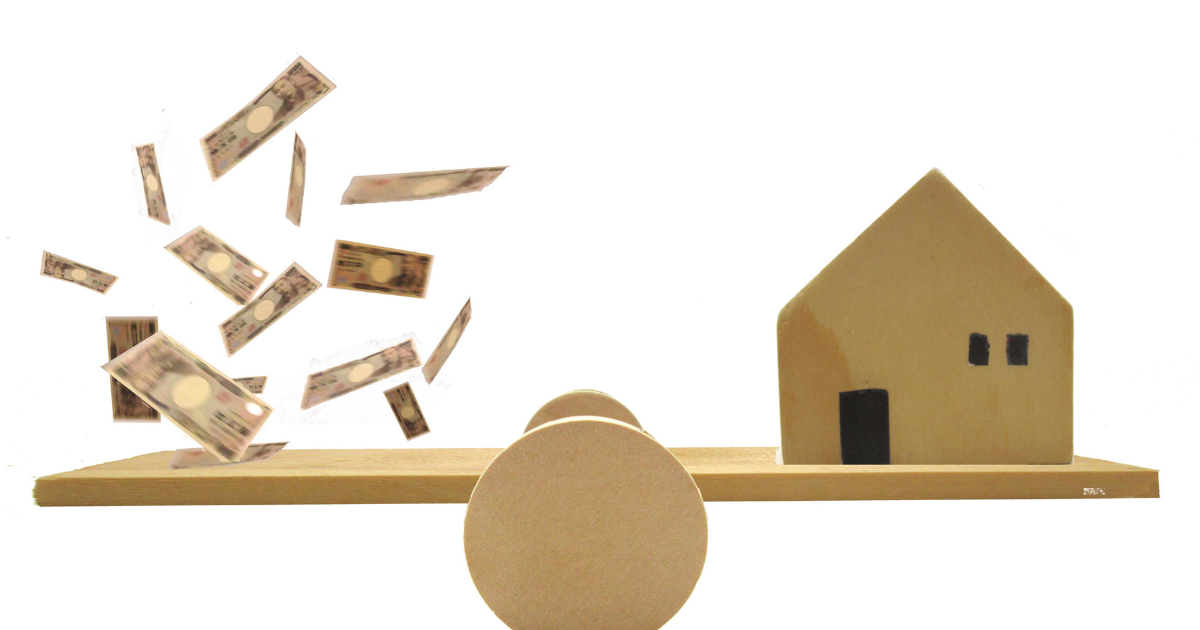
The property market is in an interesting place at the moment, with estate agents noticing average prices continuing to increase month-on-month but with a far more fragmented and price-sensitive market than we have seen in recent years.
Whilst house price indices such as Rightmove have reported an average house price close to the market’s peak a year ago, mortgage-dependent parts of the market are much slower than larger homes at the top of the market sector, so Chorlton house buyers will see different effects of these price rises.
There are a lot of factors that affect house prices, but one that is often understated or misunderstood is the Bank of England’s base rate and how it tangentially but significantly affects house prices.
The base rate, officially known as the Bank Rate, is the base rate of interest that the Bank of England pays to commercial banks, which in a broad sense includes banks and building societies that lend money to other people.
This is something the Bank of England has increased frequently since late 2021 to reduce inflation, which they are legally required to aim to reduce to two per cent.
This includes mortgages, which is where this financial metric starts to affect both house buyers and sellers. Outside of tracker mortgages that explicitly peg the amount of interest they charge borrowers to the Bank Rate (plus enough to make a profit), the Bank Rate affects mortgage rates and mortgage eligibility.
The higher the mortgage rate, the more a mortgage will cost over its full term, and the lower the amount a borrower will typically be allowed to have for their mortgage.
Generally, when mortgage rates are higher, fewer buyers will be able to compete for the same properties, which tends to lead sellers to price more competitively, although this affects first-time buyers and second-steppers more than it affects the top of the market.